
Residential windows are made to make homes comfortable and energy efficient. Many modern windows have double or triple glass panels that have sealed spaces between them. These sealed spaces contain insulating gas, which assists in regulating the indoor temperature.
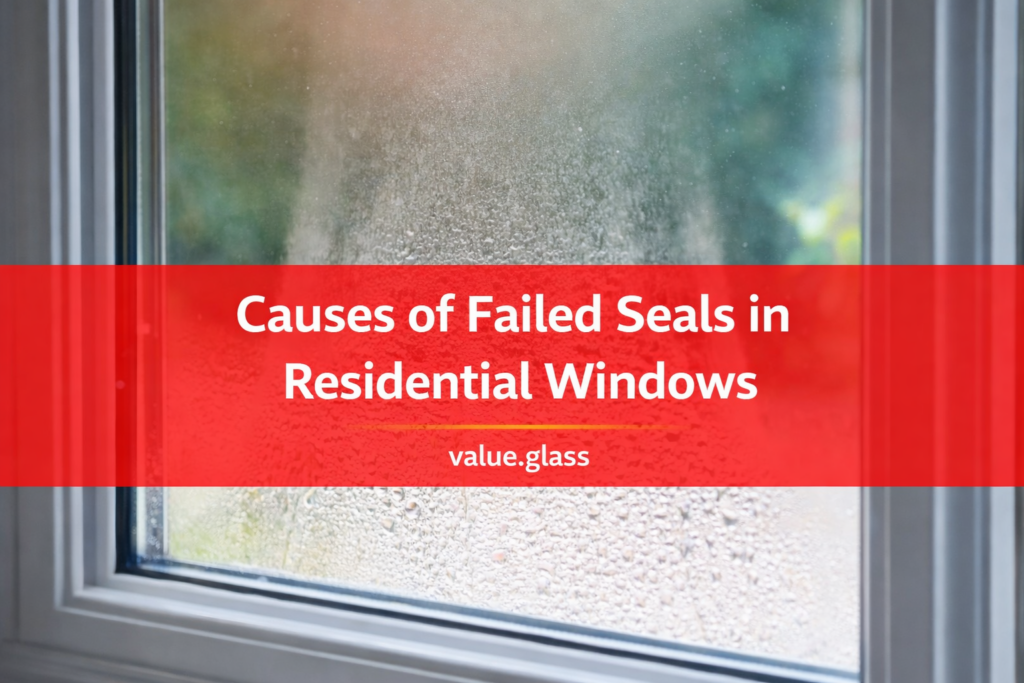
When the seal around the glass becomes dysfunctional, the glass window is unable to function properly. Moisture can get into the gap between the panes and form fog or condensation. As the seal fails over time, the window loses insulation, and the home becomes less energy efficient.
Understanding what leads to window seal failure is beneficial for homeowners to be able to spot issues early on and prevent further damage from occurring to their windows.
Age and Normal Wear
One of the most common causes of window seals that fail is age. Over time, window materials will expand and contract naturally with the changes in temperature. This continual movement can gradually weaken the seal on glass.
Most insulated windows are meant to last for many years, but the seals could break down someday. When this occurs, the air and moisture can enter the area between the glass panes.
Extreme Temperature Differences
Sudden temperature changes can also be damaging to window seals. When there is a great change of temperature in the outdoor environment, the glass and window frame expand or contract at different rates.
This movement can exert stress on the seal that is holding the insulated glass unit together. Over time, the ongoing stress may weaken or break the seal.
Homes in regions with large temperature swings are more often affected.
Poor Window Installation
Improper installation can result in a potentially larger risk of seal failure. If the window frame isn’t installed properly, the glass may rest upon an uneven force on it.
Twisted and unlevel frames could cause stress to the sealed glass unit. This pressure might be able to possibly weaken the seal very gradually and also move moisture in.
Professional installation helps to ensure that the window framework holds the glass evenly.
Moisture and Water Exposure
The damage to seals can also be caused by water exposure. If the water enters the window frame because of poor drainage or broken caulking, the water could have an impact on the window seals.
Over a period of time, moisture can cause the sealing materials to become lax, and condensation can form between the glass panes.
Maintenance around the window frame is proper to avoid water getting to the sealed glass unit.
Signs of a Failed Window Seal
A foggy or cloudy look between the glass panes is one of the best indications of seal failure. Condensation trapped inside the window, in many cases, cannot be wiped away because it is located between the layers of glass.
Homeowners may also experience decreased insulation, drafts around the window, or increased energy bills. These signs would typically indicate a failure of the window seal.
Conclusion
Window seals are significant in keeping a home comfortable and energy efficient. When seals break, moisture and air are able to enter between the glass panes and diminish the window’s performance.
Regular inspection and proper maintenance of windows can help to detect problems early. When the seal fails, the damaged glass unit can be replaced with clear, insulated, capable windows.
Related Categories: Residential Glass Guides and Repair Help for Kitsap County Homeowners